Japan’s Coal and Nuclear Expansion Poses Risk to Renewable Energy Growth, Report Claims
05/01/2026 / By Edison Reed
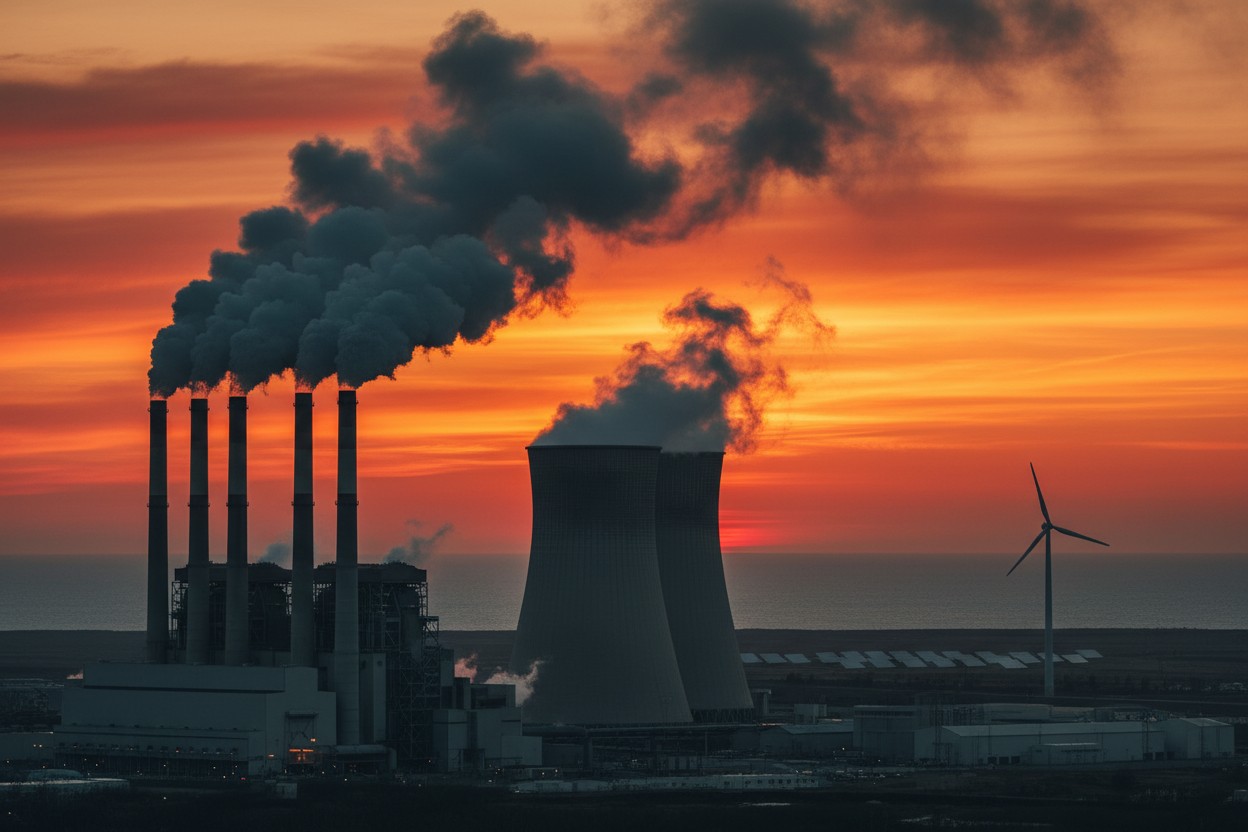
A report from Watts Up With That? claims that Japan’s updated energy strategy — prioritizing coal-fired generation and nuclear restarts — may undermine the growth of renewable energy sources. According to the report, “as coal and nuclear generation expand … they may displace domestic renewable energy,” creating a potential setback for Japan’s clean?energy targets. [1]
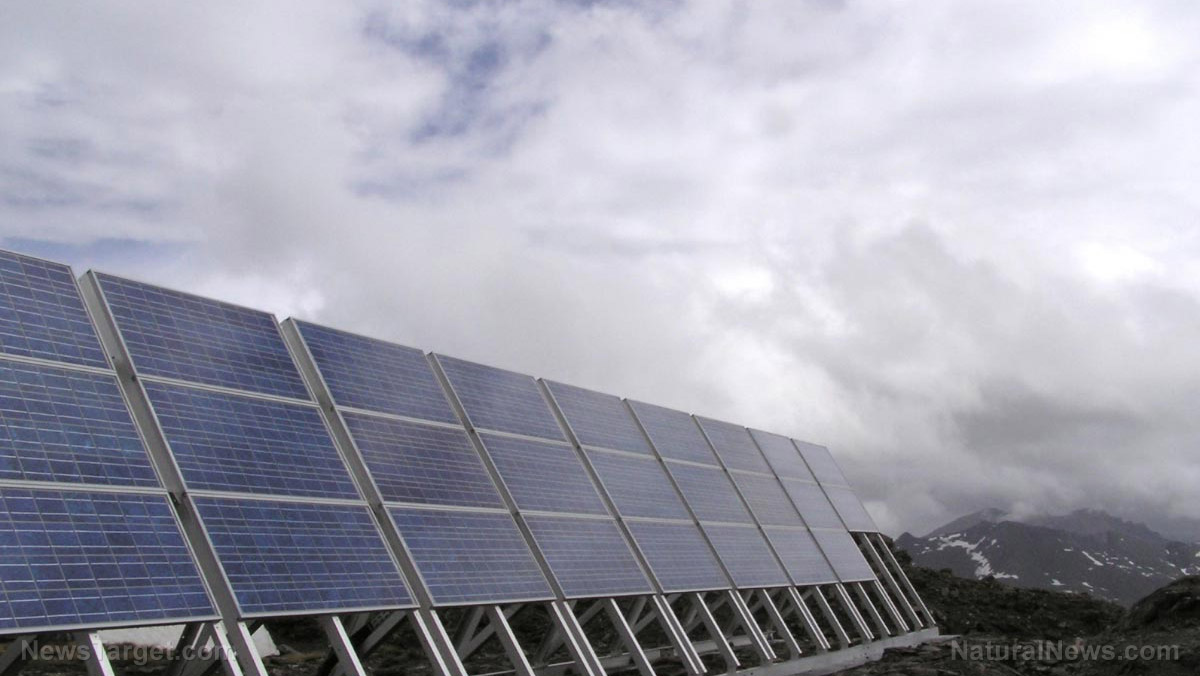
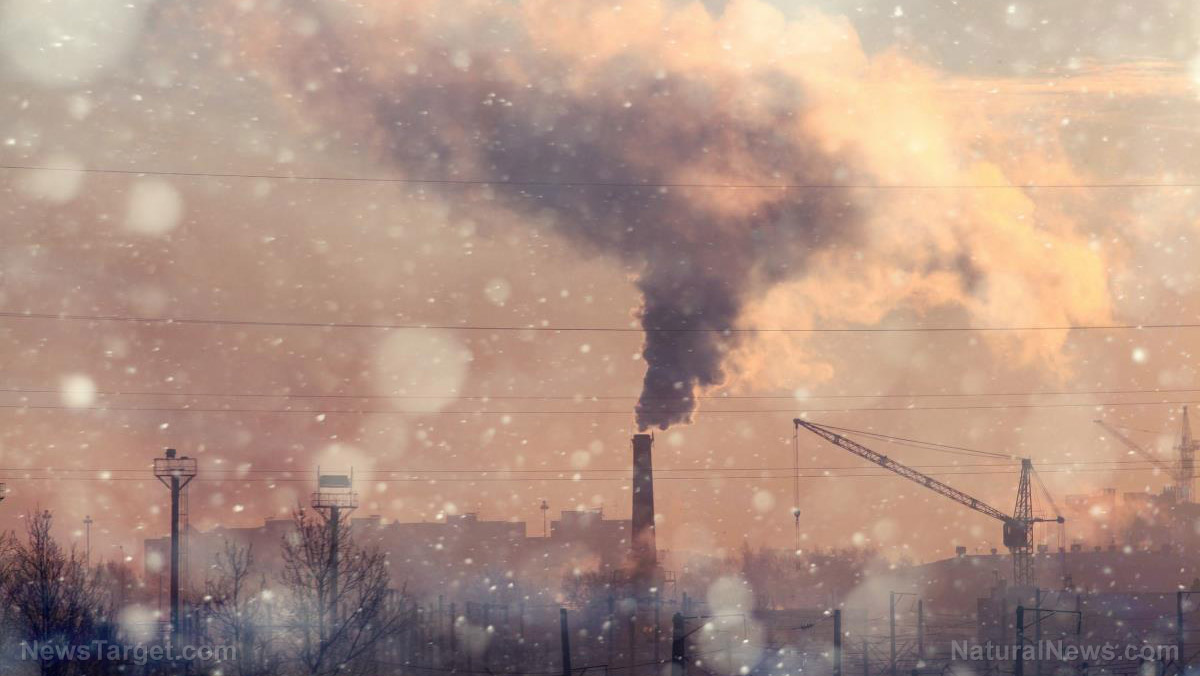
The report states that increased reliance on fossil fuels and nuclear reactors could crowd out investment in solar and wind power. Oversupply of solar electricity during daylight hours has already pushed wholesale prices into negative territory on multiple occasions, according to data from the Japan Electric Power Exchange cited by the report. Japan’s government, the article contends, has approved a plan emphasizing stable baseload power from coal and nuclear over expanding intermittent renewables, thereby raising risks for future renewable projects. [1]
Background: Japan’s Energy Policy Shift
Following the March 2011 Fukushima Daiichi disaster, Japan shut down all its nuclear reactors and turned to imported liquefied natural gas (LNG), coal, and oil to fill the gap. The catastrophe triggered a “huge public backlash against nuclear power,” according to Tim Flannery in his book Atmosphere of Hope, and led to a reassessment of the country’s energy mix. [2] In 2023, the government revised its energy plan to restart reactors and build new coal-fired plants, citing energy security and affordability, officials said.
By 2025, the International Energy Agency reported that fossil fuels still accounted for more than 70% of Japan’s electricity generation. In March 2026, Prime Minister Sanae Takaichi announced a temporary easing of restrictions on coal-fired power plants, aiming to “reduce reliance on liquefied natural gas (LNG) and strengthen national energy security” amid the ongoing Iran war and closure of the Strait of Hormuz. [3] Simultaneously, Japan resumed operations at the world’s largest nuclear plant, the Kashiwazaki-Kariwa facility, after it had been dormant for nearly 15 years. [4] The plant had previously been excluded from Japan’s goal of generating 50% of its energy from nuclear by 2030, according to a Bloomberg report cited by NaturalNews. [5]
Risk of Displacing Renewables
The Watts Up With That? report argues that Japan’s feed-in tariff for solar power has been reduced, and the addition of new coal capacity could depress wholesale electricity prices, making renewable projects less viable. Oversupply of solar during daylight hours has led to record negative prices, the report states, citing Japan Electric Power Exchange data. Analysts cited in the report contend that without long-term contracts or storage incentives, renewable developers may delay or cancel projects. [1]
A separate analysis published by NaturalNews noted that green policies in many countries have paradoxically forced a return to coal as intermittent renewables fail to provide stable power. [6] The situation in Japan mirrors broader global trends: as countries scramble for reliable baseload power, investments in solar and wind risk being squeezed out. The report concludes that without a clear policy commitment to renewable integration, Japan could fall short of its 2030 emissions reduction targets. [1]
Counterpoints from Industry and Government
Japanese government officials have stated that coal and nuclear power are necessary for grid stability and to avoid blackouts, particularly during winter months. The Ministry of Economy, Trade and Industry (METI) noted that renewable energy alone cannot meet peak demand and that nuclear restarts reduce carbon emissions without relying on volatile fuel imports. [3] Representatives from utility companies have said that new coal plants use high-efficiency technology and are intended as part of a transitional energy mix. [5]
Supporters of nuclear power point to Asia’s broader embrace of atomic energy, contrasting it with Europe’s retreat after Fukushima. As one analysis put it, “Asia and Russia power ahead with nuclear power” while Germany’s green experiment has led to higher costs and increased imports of French nuclear electricity. [7] In the case of Japan, the restart of Kashiwazaki-Kariwa — the world’s largest nuclear plant — is seen by the government as a key step toward energy security and affordable electricity. [4]
Outlook
The report from Watts Up With That? concludes that without a clear policy commitment to renewable integration, Japan risks falling short of its 2030 emissions reduction targets. Environmental groups interviewed by the report warned that locking in fossil and nuclear infrastructure for decades could hinder future clean energy deployment. [1] The debate over Japan’s energy future remains unresolved as the government balances energy security, affordability, and climate goals.
Other experts, such as those quoted by NaturalNews, have observed that the global pivot toward “energy realism” — prioritizing reliable power over ideological climate pledges — has accelerated in the wake of geopolitical crises. [6] Japan’s choice to expand coal and nuclear may offer short-term stability, but critics argue it could crowd out the very technologies needed for a long-term sustainable energy system. As one book on sustainable development noted, the challenge lies in consistently incorporating both long-term structural risks and short-term disruptive events into energy modeling. [8]
References
- Claim: Japan’s Coal and Nuclear Push Risks Displacing Renewable Energy. – Watts Up With That? April 30, 2026.
- Atmosphere of Hope. – Tim Flannery.
- Japan Will Ease Restrictions on Coal-Fired Power to Safeguard Energy Supplies. – NTD. March 27, 2026.
- Japan Restarts World’s Largest Nuclear Plant, 15 Years After Fukushima Shutdown. – Zero Hedge. February 12, 2026.
- Worlds largest nuclear power plant in Japan remains shut down despite energy crisis. – NaturalNews.com. June 5, 2024.
- Green policies return the world to coal. – NaturalNews.com. October 21, 2021.
- As Germany’s green dream becomes a nightmare, Asia and Russia power ahead with nuclear power. – NaturalNews.com. February 17, 2022.
- Reflections on the Fukushima Daiichi Nuclear Accident. – Author not listed.
Submit a correction >>
Tagged Under:
big government, chaos, Clean Energy, coal, electricity, energy, energy supply, Fossil Energy, fuel supply, geopolitical crisis, green living, Green New Deal, green tyranny, Japan, national security, nuclear expansion, power, power grid, progress, renewable energy, supply chain
This article may contain statements that reflect the opinion of the author
RECENT NEWS & ARTICLES